A judge decided on Friday that President Donald Trump's administration can't make states give them comprehensive information about those who have asked for or received help from the Supplemental Nutrition Assistance Program.
Last year, U.S. District Judge Maxine Chesney in San Francisco stopped the U.S. Department of Agriculture from making states give them information about the immigration status of people who get benefits and people who apply for them. This was after 22 states sued over the policy.
In December, the government kept pushing for it and told states that if they didn't follow through, it would stop paying for the program's administrative costs. It also gave the states additional rules for keeping the data safe, but they turned them down.
The federal government stated that the last decision didn't apply to its new requests.
Chesney said at a hearing on Friday that she plans to give an injunction that stops the federal government from acting on its letters to the states from last year.
The Trump administration says that the information is needed to stop fraud and waste, which it says is a serious problem in the country's biggest food aid program.
The states said that the Agriculture Department might give the data to immigration enforcement agencies, which they contend is against the law.
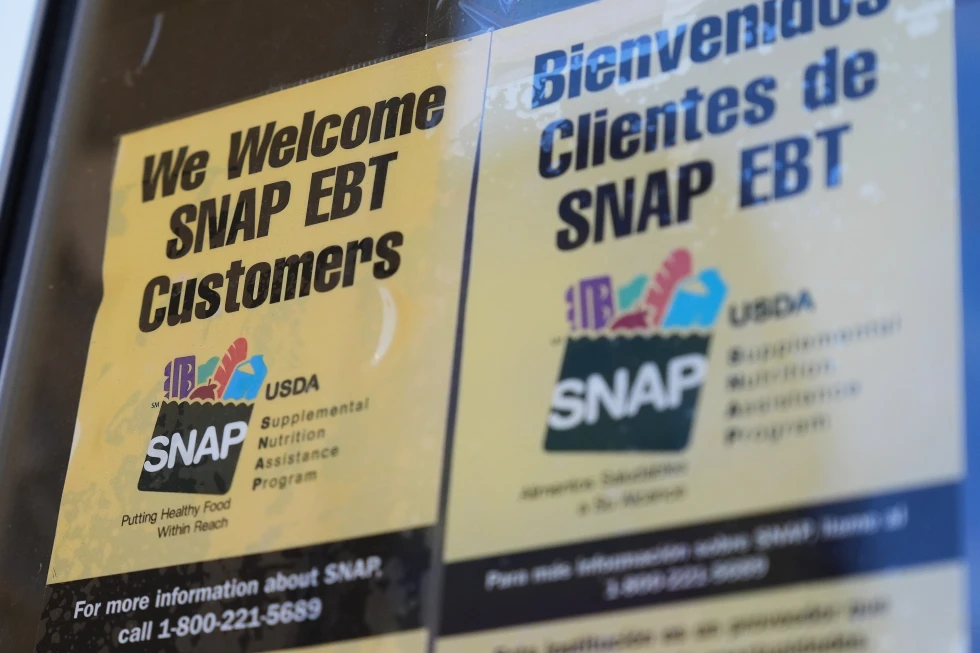
SNAP is a big part of the U.S. social safety net. It helps around 42 million Americans, or 1 in 8, buy food. People who are in the country illegally can't get benefits.
Most states, even Nevada, which sued, have followed the federal government's request. Kansas hasn't followed the rules, but it hasn't joined the lawsuit either. All of the states in the complaint, except for Nevada, have Democratic governors.
The administration hasn't given out much information on the data that states sent in, but it believes it shows more fraud than was thought before.
The fight over SNAP records is just one of many places where the administration has tried to stop certain federal money from going to states run by Democrats, frequently in the name of stopping fraud.