

NEW YORK — U.S. tourist destinations’ small business owners say they’re seeing more Americans stay closer to home this summer, trading overseas travel for road vacations, selecting daylong sojourns instead of longer beach stays, and cooking instead of eating out while on vacation to save money.
The anecdotal increase to domestic tourism comes as trips become more expensive due to higher airfares and gasoline expenses. The FIFA World Cup soccer competition and festivities of the nation's 250th birthday have provided some U.S. residents with more reasons to make summer memories without leaving home.
The motor club group AAA said 72.2 million Americans were expected to travel at least 50 miles (80 km) from home between June 27 and this Sunday. That's 0.5 percent higher than the number who missed a trip during last year's July Fourth vacation period, but the projected rise is virtually all attributable to individuals using cruises, buses and trains. AAA forecasts no change in the number driving or flying to their destinations.
A big drop in summer globetrotting could have a silver lining for businesses that depend on travelers, said Tarik Dogru, an associate professor at Florida State University’s Dedman College of Hospitality. “More of their vacation dollars are staying local as well, because there are less Americans going abroad or flying across the country,” Dogru added.
“The current economic and tourism dynamics are likely to see spending shift toward small businesses such as regional restaurants, local attractions, Airbnb hosts and roadside businesses along drive routes that serve budget and close-to-home travel,” he said.
If the pattern continues through summer and the rest of the year, it might help narrow a travel and tourist trade deficit the United States has sustained since the COVID-19 pandemic. According to the National Travel and Tourism Office, since 2020, Americans have spent more each year on travel abroad than overseas visitors have spent on travel-related products and services in the United States.
Her family is one of them, said Morgan Kain, a teacher in Baltimore, that has to curb their travel bug for financial reasons. Each summer, Kain, her husband and three children normally take many trips, including a week-long stay to a lake house in Virginia. Last year they travelled around Italy for six weeks.
“We’re still doing a couple overnights and the lake house this summer but that’s it,” Kain said. “Travel costs, food costs, gas — it’s all crazy expensive.”
Vacationers are taking getaways within driving distance AAA said 85% of Independence Day week tourists were expected to drive to their destinations, even though gasoline costs more than a year ago. Car journeys still are cheaper than flights for the most part.
Several businesses along California-Nevada border’s Lake Tahoe said they’ve been seeing more guests driving in from West Coast towns.
Ron Williams, owner of Tahoe Sports, said he was apprehensive at the beginning of the season that customers wouldn’t come out to rent boats and Jet Skis because of the economy. It is like the price of gasoline that runs cars. In the Iran war the price of boat fuel went up.
So far, Williams is “pleasantly surprised with how well the business is doing across the board.” He stated his future bookings were up 10% compared to the same period last year.
“I think people are probably staying close to home and being in Lake Tahoe, we have such a huge drive-up market,” said Williams.
But respite came in the form of increased demand for the three Lake Tahoe region rental properties that Jerry Bindel oversees for Pyramid Global Hospitality. The snow melted away and so did the bookings for the ski season during an exceptionally warm winter, but “we just saw that flip” as the weather turned to hiking and boating weather, he said.
“We’re seeing a potential sign that Tahoe visitors are watching their spending, potentially more of them are skipping restaurants and cooking their own food in their rental units or on outdoor barbecue grills,” said Bindel, an area general director for the property management company.
“We’re seeing a lot more usage on those items this summer,” he added.
Locals still desire exceptional summer experiences Small business owners in Asheville, North Carolina, have been hoping tourism will bounce back since Hurricane Helene and days of torrential rain brought flooding that decimated the city’s landscape, buildings and infrastructure in September 2024.
Aubrey Anderson, who owns a river tubing outfitter in Asheville, cut her summer workforce from 100 to 25 following Helene. Anderson was encouraged enough by an uptick in reservations earlier this year, and “a lot of new people coming into town,” to recruit 50 personnel for Zen Tubing’s current season.
The unexpected faces include day-trippers driving in from South Carolina, Tennessee and elsewhere in North Carolina to spend a few hours floating down the French Broad River for about $30 per person, Anderson said. “A lot of people who go tubing will go out to eat and maybe stop at a brewery or do some shopping or other local attractions before they go home,” she said. “That’s a win for Asheville as a whole.”
“We’re definitely seeing a lot of locals, so to speak,” said Anderson. “Maybe people are skipping the long drive to the beach this year and they’re doing something close by so they can save a little money and still have a family outing.”
French Broad Chocolate’s factory visits have “skyrocketed” this summer, said Jael Skeffington, CEO and co-founder of the Asheville chocolate producer. Tour-takers typically stop at the on-site cafe for ice cream or coffee and buy a box of chocolate bars or bonbons before they depart, she said.
“So it’s good for business, but it also seems like what people are looking for is something to do, not just something to eat – something to experience. Said Skeffington.
World Cup is giving cities a boost Soccer fans have been flocking to Kansas City, Mo., as they did to other North American towns hosting World Cup games.
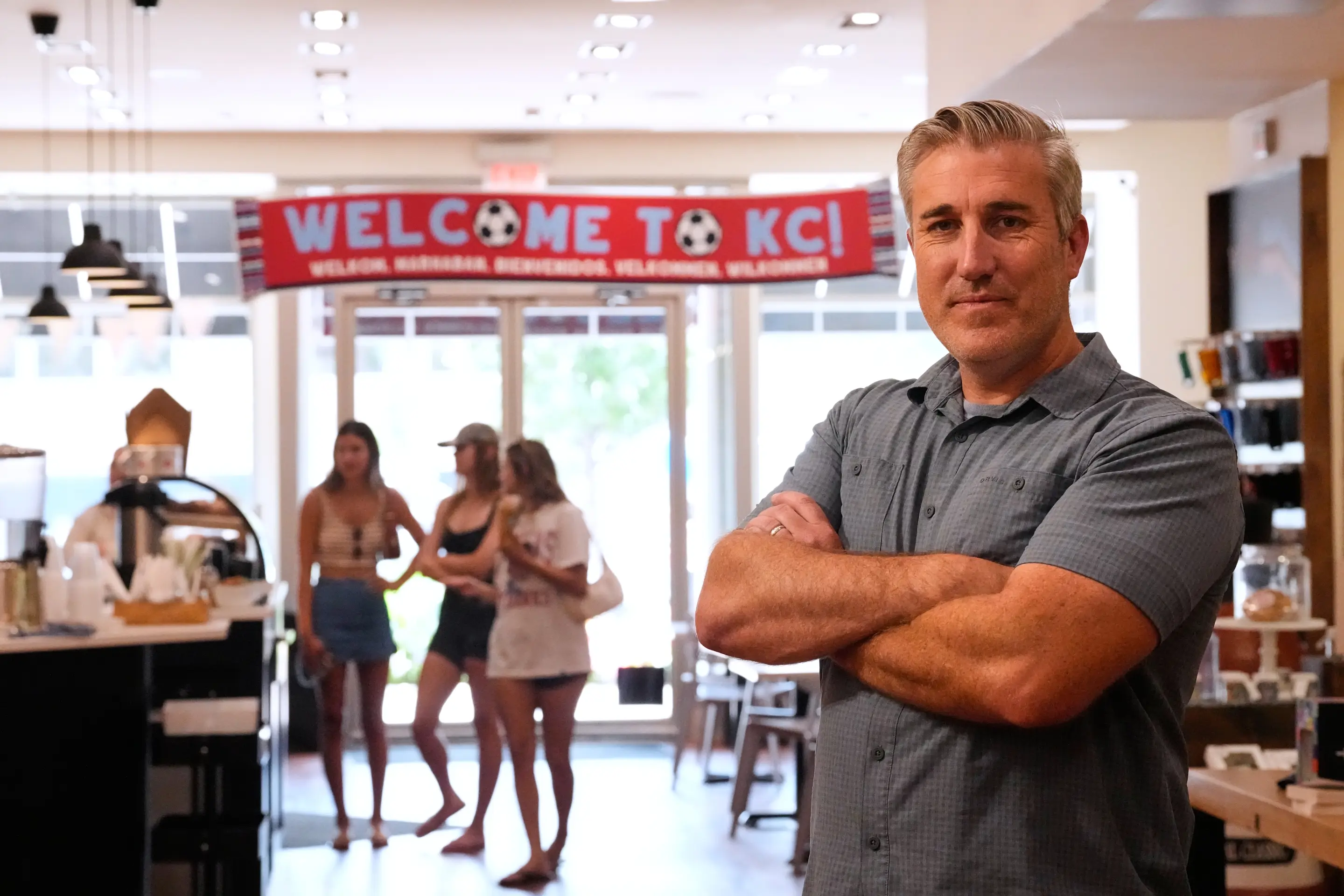
“During the tournament, we’ve seen really noticeable spikes of traffic in all of our locations,” said co-owner Keith Bradley of created in KC, a chain of four cafés and 11 stores selling locally created sauces, Kansas City-themed gifts and T-shirts for fans of the city’s major sports teams. He said World Cup items, such as $40 hats in the colors of the teams this year, have sold quite well.
U.S. tourists from farther afield seem to be outnumbered by American tourists from other Midwestern cities, Bradley said. Des Moines and Omaha all are within a three-hour drive from Kansas City.
We have a few of locations that are in the tourist areas of Kansas City. ... But then we also have little shops that are simply in suburban communities in Kansas City, and those have also seen World Cup traffic of people going to watch parties, people coming in town to witness the games and then travelers just touring Kansas City on their own.”
“I think the cost of food and lodging in Kansas City relative to larger and/or more well known host cities has been beneficial,” said Mollie Lothman, co-owner of McLain’s Bakery, a family-owned cafe with five locations.
“We’re one of the smaller markets that got the World Cup in Kansas City, but we’re also probably one of least expensive markets, in terms of family budgeting, to try to come and experience the World Cup,” Lothman said. “So I think that’s been a big pull for people.”