

WASHINGTON — The state of the American economy is once again emerging as a defining issue in national politics, with inflation, trade tariffs and household financial pressures shaping public opinion ahead of the midterm elections. For millions of Americans, economic performance is not simply a matter of government statistics or Wall Street movements. It is reflected in grocery bills, housing costs, insurance premiums, energy expenses and the amount of money remaining in their bank accounts at the end of each month.
President Donald Trump has placed economic growth, domestic manufacturing and trade protection at the centre of his political agenda. His administration has argued that tariffs can strengthen American industries, encourage domestic production, protect jobs and reduce dependence on foreign suppliers. However, these policies have also raised concerns among businesses, economists and consumers about higher import costs, potential price increases and the wider consequences for international trade.
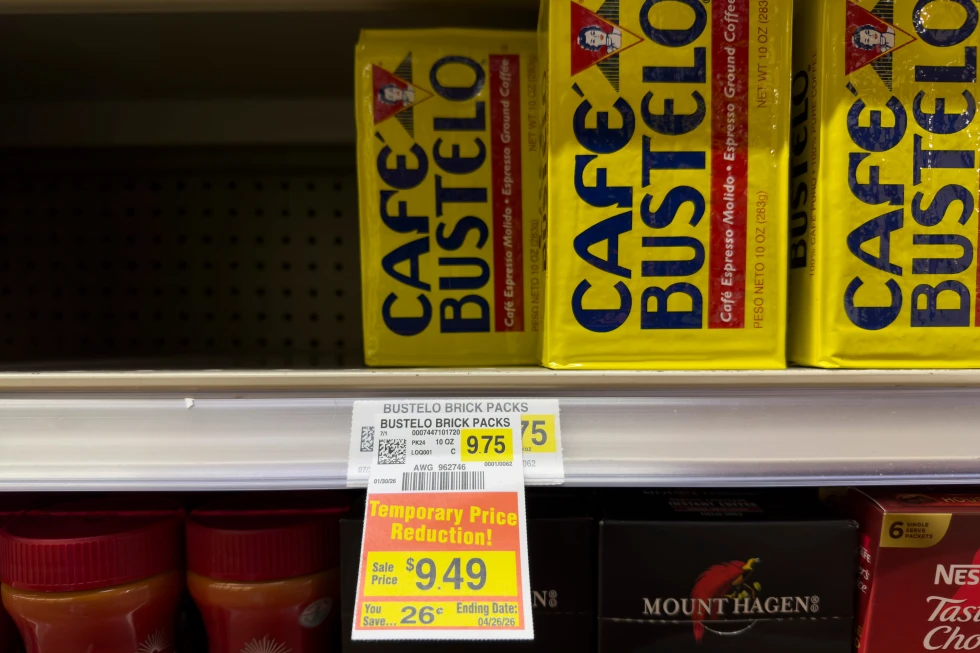
Despite periods of improvement in inflation indicators, the cost of living remains a significant concern for American families. Lower inflation does not necessarily mean that prices have returned to previous levels. Instead, it means prices are increasing more slowly, leaving many households still dealing with the cumulative impact of years of higher living expenses.
Food, housing, healthcare, transportation and utility costs continue to influence household budgets. Families with limited savings are particularly vulnerable because even relatively small price increases can affect their ability to manage monthly expenses. Renters face housing affordability challenges, while homeowners continue to consider mortgage payments, property taxes, maintenance and insurance costs.
For voters, these everyday financial experiences often carry more weight than broad economic announcements. A strong stock market or positive employment report may indicate economic resilience, but those figures do not necessarily reflect the financial circumstances of every American household.
Tariffs have become one of the most prominent and debated elements of Trump's economic strategy. The administration has presented import duties as a way to encourage companies to manufacture more goods in the United States while protecting domestic industries from foreign competition.
Supporters argue that tariffs can give American manufacturers a stronger competitive position and encourage businesses to reconsider overseas production. They also view trade protection as an important instrument in negotiations with major trading partners.
However, tariffs can create additional costs throughout the supply chain. American businesses that depend on imported raw materials, machinery, electronic components and finished products may face higher operating expenses. Companies could respond by increasing prices, reducing profit margins, changing suppliers or delaying investment decisions.
Consumers may ultimately feel some of these costs through more expensive products. Small businesses, which often have fewer opportunities to negotiate supplier prices or absorb additional expenses, may face particular difficulties.
The broader economic impact depends on the products affected, the countries involved, the duration of the tariffs and how businesses adjust their supply chains. Although domestic manufacturers could benefit in certain sectors, other industries may face increased costs and uncertainty.
Trade policy uncertainty can influence business confidence and investment planning. Companies making long-term decisions about factories, distribution networks, employment and purchasing arrangements need predictable operating conditions.
When tariff policies change or negotiations remain unresolved, businesses may delay expansion plans while waiting for greater clarity. Manufacturers may also need to identify alternative suppliers or reconsider where production takes place.
Large corporations may have the financial resources to adjust their operations, but smaller businesses can find these changes more difficult. Increased costs can affect hiring decisions, product pricing and future investment.
The administration's challenge is to demonstrate that its trade policies can deliver lasting benefits to American industries without creating excessive financial pressure on businesses and consumers.
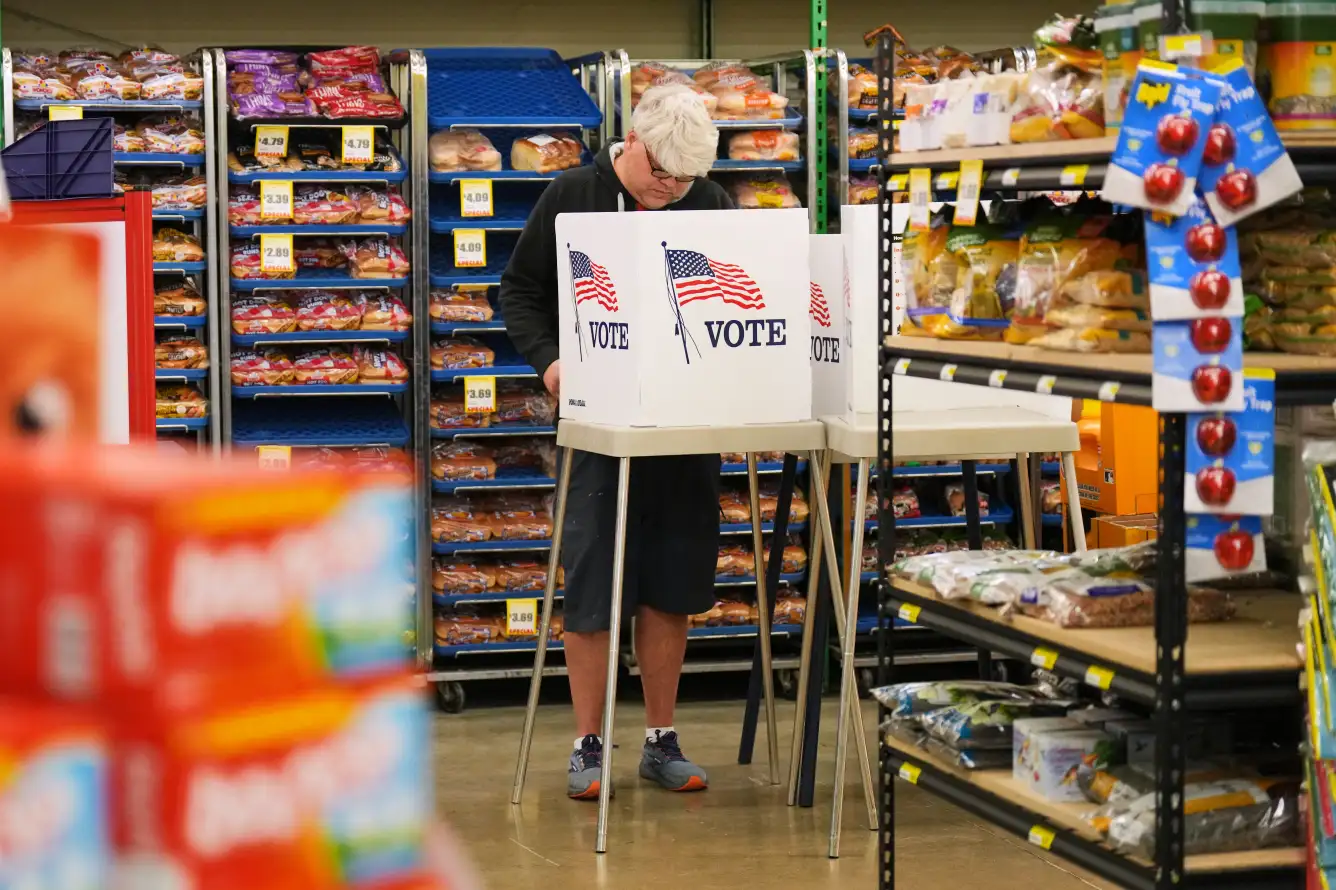
Economic concerns frequently become powerful influences in American elections. Voters often evaluate an administration through their personal financial experiences, particularly when they believe that their purchasing power has weakened or that the cost of everyday necessities remains too high.
For Republicans, the midterm elections represent an opportunity to defend Trump's economic agenda and demonstrate that policies focused on domestic production, trade protection and economic growth are delivering results.
For Democrats, inflation and tariff-related concerns provide opportunities to question the administration's economic decisions and highlight the financial pressures facing ordinary Americans. Their political arguments are likely to focus on affordability, household purchasing power, employment conditions and the potential consequences of trade restrictions.
However, the economic debate is not limited to a simple division between the two parties. Voters may support stronger American manufacturing while remaining concerned about higher consumer prices. Others may favour tougher trade negotiations but question whether tariffs are the most effective way to achieve those objectives.
This creates a complicated political environment in which economic policy, household finances and public confidence intersect.