

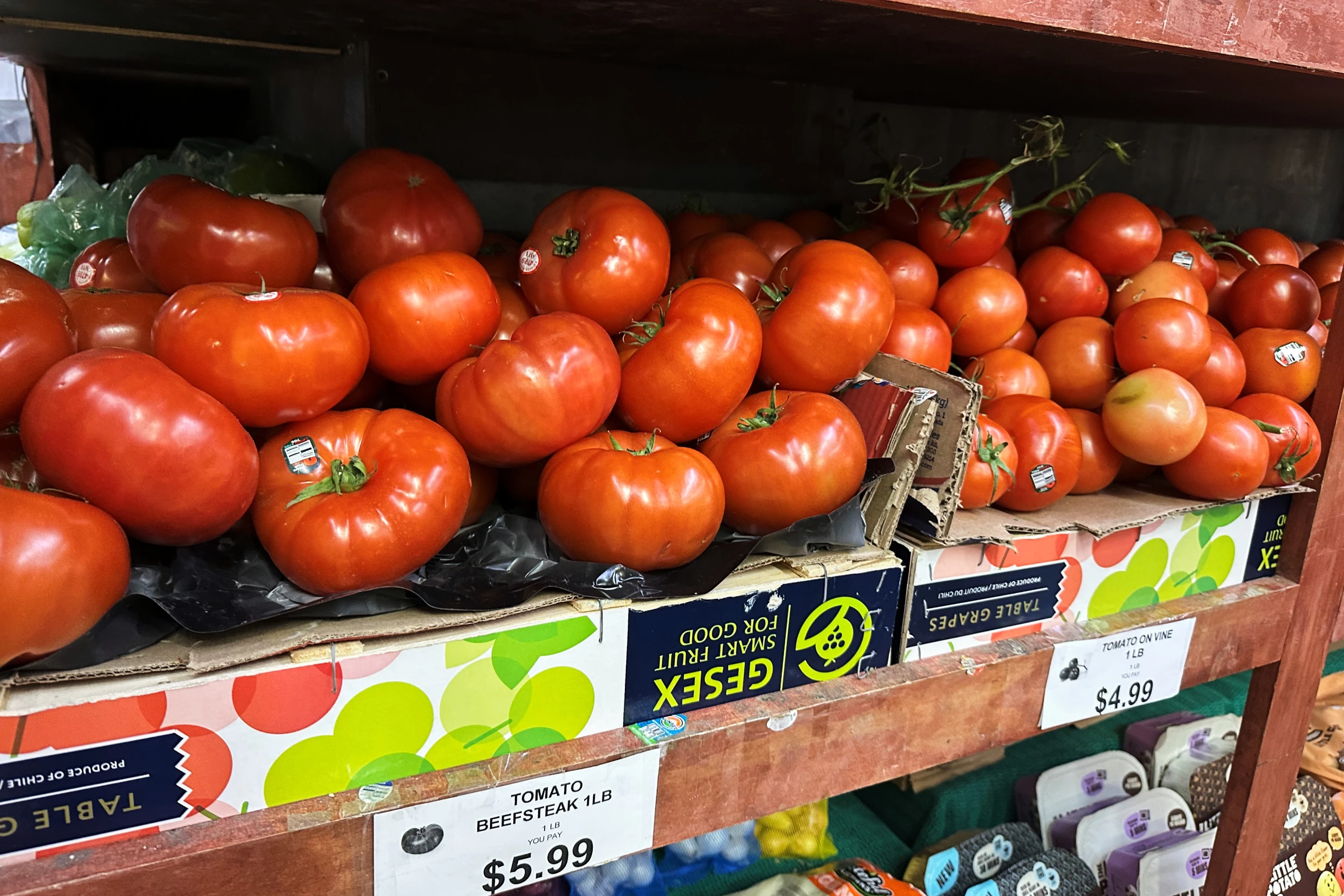
NEW YORK — Tomatoes, a staple of everything from fast-food burgers to haute cuisine, are taking on a new duty beyond the plate: An annoying reminder of growing expenses.
Those crimson orbs have seen their prices climb more than any other food product over the past year, cementing their place as one of the consumer worries du jour.
“The tomato has become a symbol of something deeper,” said Isaac Bernal Carbajo, a chef in New York City who lamented the loss of “simplest pleasures” of life to rising prices. “Something as simple as buying fresh vegetables is becoming a serious financial decision for many families.”
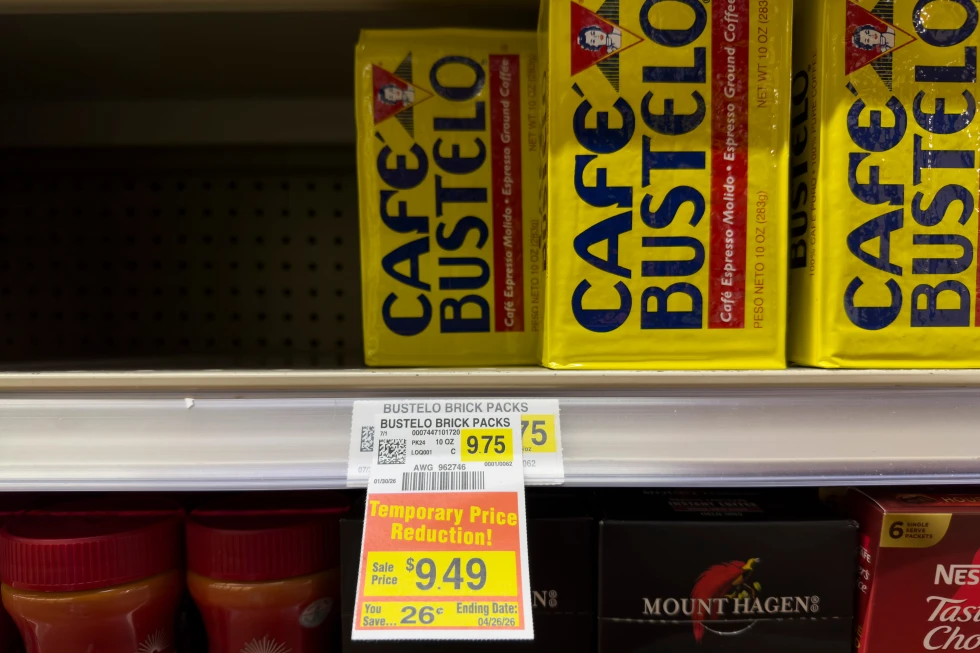
The latest Consumer Price Index shows that tomato prices have risen about 40% from a year ago, far outpacing increases for other groceries, including coffee (up 18.5%), beef roasts (up 17.8%) and frozen fish and seafood (up 12%), among other products that have come to symbolize America’s affordability squeeze.
A separate inflation report Thursday showed that overall prices rose 3.8% in April from a year earlier, the largest increase in nearly three years.”
Experts say that besides crop yields, rising tomato prices are partly due to two pillars of President Donald Trump’s second-term policies: the Iran war and tariffs. The battle caused a jump in gas prices, and increased shipping costs. Meanwhile, the U.S. has pulled out of a treaty that permitted duty-free imports of tomatoes from Mexico, which produces most of America’s supply.
“It’s a perfect storm of trade policy, extreme weather and Mideast policy,” says Usha Haley, an economist at Wichita State University.
American tomato producers applauded the pullout from the tomato accord last July, saying it would help restore their declining sector. But it’s been a pain for consumers. The U.S. exited the Mexico tomato deal in July but it took time to witness the impact in the produce aisle, with greater imports in late winter and early spring.
When the tomatoes got here, they were hit with a 17 percent tariff.
“Tariffs are clearly a big driver of the price inflation,” says Brett Massimino, a management professor at Virginia Commonwealth University. “Mexico is the major supplier of tomatoes to the U.S., so any changes in trade policy can have a major impact.”
U.S. duties on tomatoes collected surged from only $16,424 in 2024 to nearly $4.6 million, federal data shows, an astonishing 27,879% increase.
As the price trickles down, irate buyers have flocked to the fruit section, whipping out their phones to make videos lamenting expenses they said have quadrupled, with others vowing to establish a garden to escape $8-a-pound pricing. But the impact has been felt most by businesses that use tomatoes as a vital ingredient in their kitchens.
Grape tomatoes saw the biggest price spike, up 65% in just a month, according to MarginEdge, which measures restaurant costs. But prices are up for all varieties of tomatoes.
Phillip Coles, a professor of supply chain management at Lehigh University, said prices should fall later in the year when tomatoes grown domestically are harvested. “Higher prices will also induce farmers to increase planting to meet the demand but that takes longer because of the lead time,” he adds.
Meanwhile, it’s turning into a big hit for businesses like Snarf’s Sandwiches, which includes a tomato in almost every sandwich it creates.
“The cost of tomatoes has gone from $27 a case to $93 in one year,” said Wayne Humphrey, chief operating officer of Snarf’s, which has dozens of stores in Colorado, Missouri and Texas. Costs for other ingredients, including bread and beef, have also increased, as have labor costs, he said.
Humphrey explains, “That single ingredient costs us an additional spend of over $1.7 million a year. The math is difficult to dismiss.”